


Property damage means harm to your belongings or real estate because of someone else’s careless or intentional actions. It can include dents to your car, a cracked phone, a fence knocked down by a delivery truck, or water damage from a contractor’s mistake. The goal of a property damage claim is simple: repair or replace what was lost and put you as close as possible to where you were before the incident.
When property damage happens, you may also face rental costs, lost time, and stress. Knowing your rights under California law helps you recover fairly.
Types of Property Damage
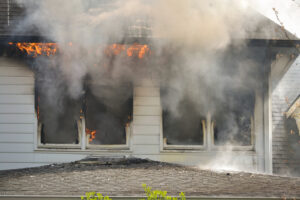
Property damage usually falls into two categories: harm to real property (land and things attached to it) and harm to personal property (movable items).
Examples include:
- Real property: Homes, garages, fences, driveways, landscaping, sheds, and built-in fixtures
- Personal property: Cars, bikes, phones, computers, furniture, tools, jewelry, and clothing
- Mixed losses: Damage that hits both, such as a car smashing a mailbox and a parked bike
- Special items: Art, collectibles, instruments, or equipment with appraisals or serial numbers
These labels guide how you value losses and what proof you should gather to support your claim.
Common Causes
Many events can trigger property losses. Some involve negligence; others are intentional.
Frequent sources include:
- Car accidents: Crashes, hit-and-runs, or debris striking parked cars
- Construction hazards: Falling tools, unsecured loads, or vibration damage
- Water and fire events: Burst pipes, appliance leaks, electrical shorts, and wildfires
- Dangerous premises: Collapsing shelves, falling merchandise, or loose signage
- Defective products: Batteries, chargers, or appliances that fail and spark fires
- Vandalism or theft: Intentional acts that break, deface, or remove property
Identifying the cause helps you target the right insurer and strengthens liability arguments.
How California Values Property Damage
California aims to make you whole—not give a windfall. If an item can be fixed, the usual measure is the reasonable cost of repair plus related expenses. If repairs exceed market value or the item is totaled, payment is based on fair market value at the time of loss.
You can also claim reasonable loss-of-use damages, like a rental car while yours is in the shop. In some cases, a repaired vehicle’s resale drop (diminished value) is recoverable.
Working With Insurance
In California’s at-fault system, you can file with the other party’s insurer, use your own policy (like collision), or both. Adjusters often ask for photos, repair estimates, proof of ownership, and a description of what happened.
Be careful with recorded statements and quick low offers. You don’t have to accept the first number. A clear demand with strong documentation can move talks toward a fair amount.
Evidence That Strengthens Your Claim
Good evidence makes a big difference. Take photos and videos of the damage and the wider scene. Get written estimates from qualified shops or contractors. Keep receipts, appraisals, serial numbers, and maintenance records.
Save police or incident reports and any code or safety citations. If there are eyewitnesses, gather their contact information and short statements. Keep a communications log for insurer calls and letters. Organized records make your claim faster and stronger.
Diminished Value and Loss of Use
Even after careful repairs, a vehicle can be worth less because it now has a crash history. That difference is called diminished value. California may allow a third-party diminished value claim when another driver is at fault.
Proof can include pre- and post-accident appraisals, dealer letters, and market data. Loss of use covers time you could not use your property; for cars, it often means a rental rate or daily value during repair. Save receipts and timelines.
Total Loss Versus Repair
If your property is a total loss, payment should reflect fair market value at the time of the incident, plus tax, title, and reasonable fees. If it can be repaired for less, you should receive the reasonable cost of repair, towing, and storage (within reason), plus loss of use.
Always review estimates and settlement calculations. If numbers look off, ask questions, get a second opinion, or provide your own comparable sales.
California Time Limits
Deadlines matter. In California, most lawsuits for property damage caused by negligence must be filed within three years from the date of loss. Claims against public entities have short notice deadlines, often six months, and strict follow-up steps.
If your situation also involves personal injury, a two-year injury deadline may apply to that part of the case. Because timing varies, talk to a lawyer promptly to protect your rights.
When to Get Legal Help
Consider hiring an attorney if the insurer blames you, lowballs your estimate, denies diminished value, or delays payment. A lawyer can collect proof, value the claim correctly, and handle negotiations so you can focus on repairs and daily life.
Many firms offer free consultations, and if your case overlaps with injuries, contingency fees may apply. Even for property-only claims, legal advice can prevent costly mistakes and speed up recovery.
Contact the Encino Personal Injury Lawyers at JUSTICENTER Personal Injury Lawyers for Help Today
Property damage claims move faster with a plan. Our Encino personal injury attorneys explain your options, organize the right evidence, and negotiate with insurers to pursue payment for repairs or replacement, loss of use, and—in the right case—diminished value.
Contact JUSTICENTER Personal Injury Lawyers today at (833) 852-3600 for a free consultation and clear next steps.